
Fascinating Stories of Diwali: The Festival of Lights
Discover the Amazing Myths and Traditions Behind India’s Biggest Holiday
by Collectors Abode | Updated October 20, 2025
We, the Collectors Abode Team, independently review everything we recommend. If you buy anything through our links,
we may earn a commission. Learn more ›
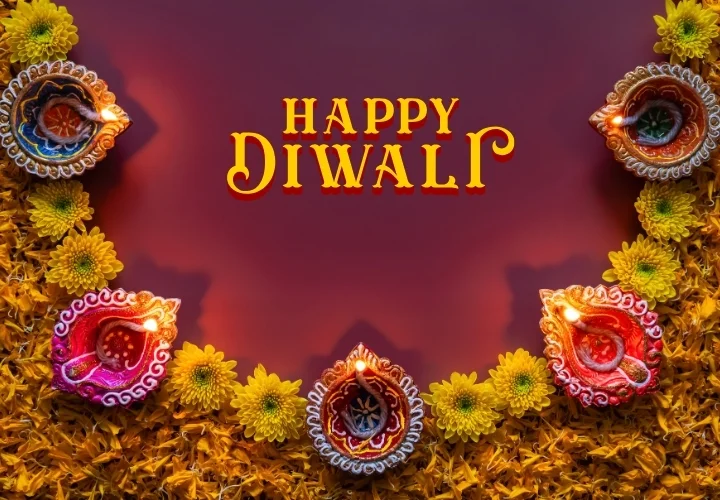
Have you ever wondered why we celebrate with so many lights? Let’s dive into the magical world of Diwali, the famous Indian Festival of Lights!
This massive, sparkling celebration is all about hope, new beginnings, and the amazing, happy moment when good wins over evil. Diwali reminds us that light always defeats darkness, and knowledge is stronger than confusion. When Diwali arrives, the atmosphere is simply magical, a beautiful mix of sweet smells, bright colors, and the feeling of warmth and togetherness.
The name itself tells a story! It comes from the ancient Sanskrit word, Deepavali, which simply means “a row of lights.” But the best part is learning about the heroes and gods who started this tradition.
The Hero’s Return and the Original Diwali Lights
The most exciting and beloved story behind Diwali is about a great hero named Rama, who stands for truth and justice.
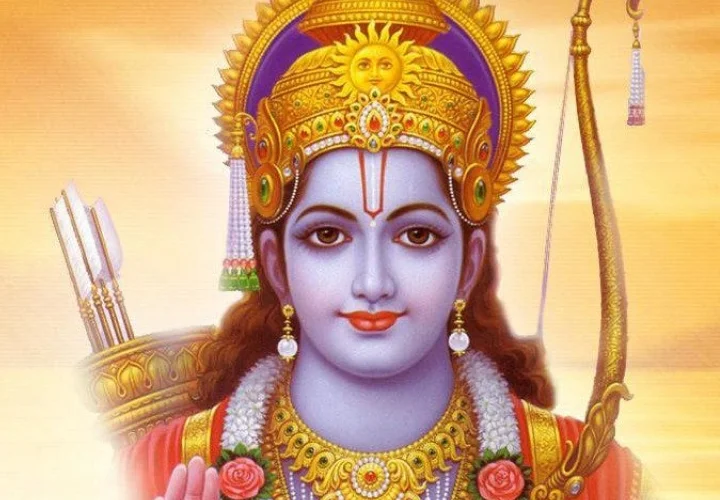
Rama was a prince who spent 14 long years in exile before he finally defeated a powerful demon king named Ravana. His victory was the ultimate win for truth and justice! This powerful story shows us that even after a long struggle, goodness always prevails.
When Rama finally returned home to his city, Ayodhya, the people were filled with overwhelming joy! They wanted to make his homecoming unforgettable. So, what did they do? They lined every single street, building, and home with thousands of flickering, earthen oil lamps called diyas.
That night was the very first Festival of Lights! This incredible, joyous event is why we still use so many sparkling Diwali lights today and feel such intense happiness during the holiday.
The Goddess of Fortune: Laxmi’s Story
Another important part of Diwali focuses on Laxmi, the Hindu goddess of good fortune, wealth, and prosperity. People pray to her to ask for happiness and success in the coming year.
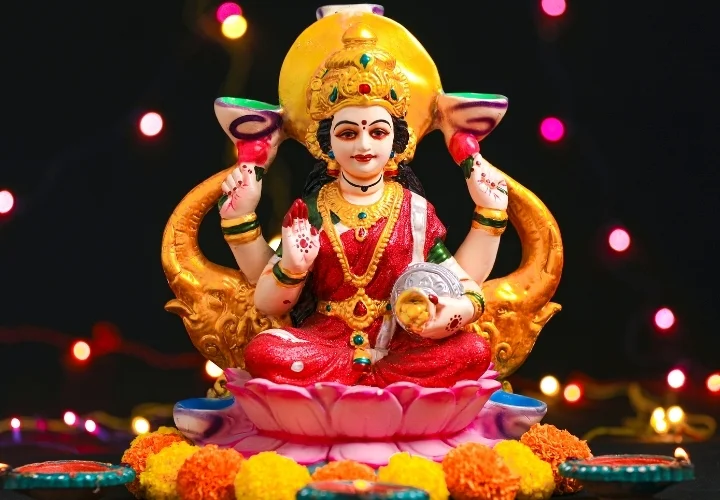
Some people celebrate Diwali because it’s the day that Goddess Laxmi was born on Earth! This is why homes are cleaned and decorated so meticulously, it’s a way to beautifully prepare and invite her presence, hoping for good luck in the new year.
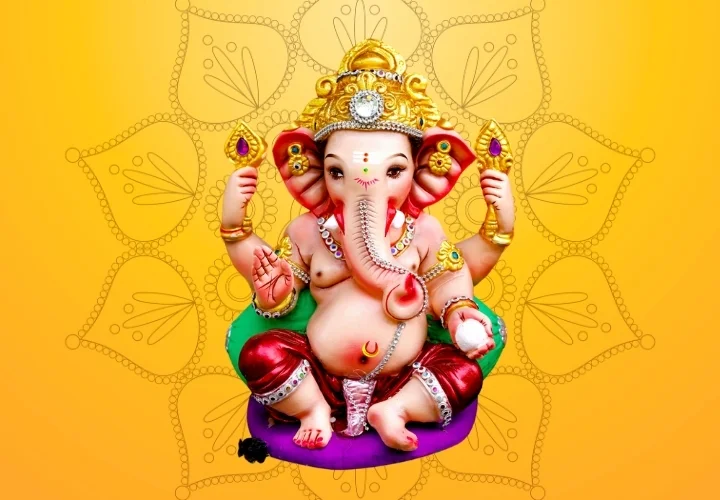
In addition to Laxmi, many families also pray to Ganesha, the beloved elephant-headed god of auspiciousness and wisdom. Asking for his blessing ensures that the year ahead will be wise and successful, removing any obstacles right from the start.
How We Celebrate: Five Days of Diwali 2025 Magic
Diwali is a joyful five-day celebration that usually falls between mid-October and mid-November. The time leading up to Diwali is one of anticipation and excitement!
Before the official celebration starts, families clean and add spectacular Diwali decorations! They fill the house with:
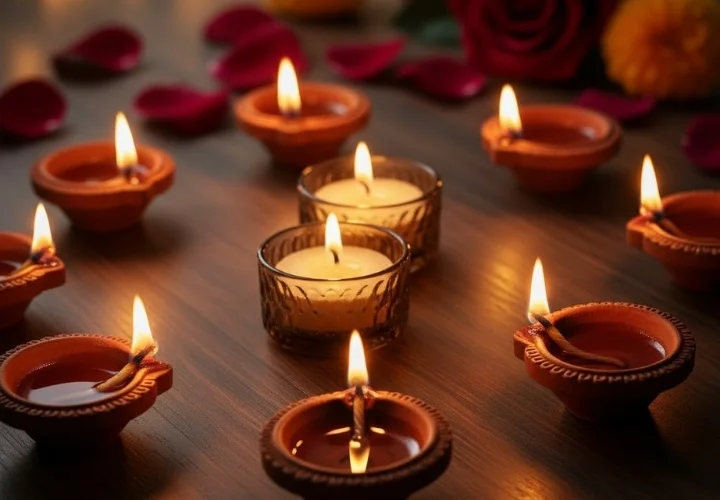
Diyas and Candles
These tiny oil lamps and candles create a warm, golden glow, turning every home into a little palace of light.
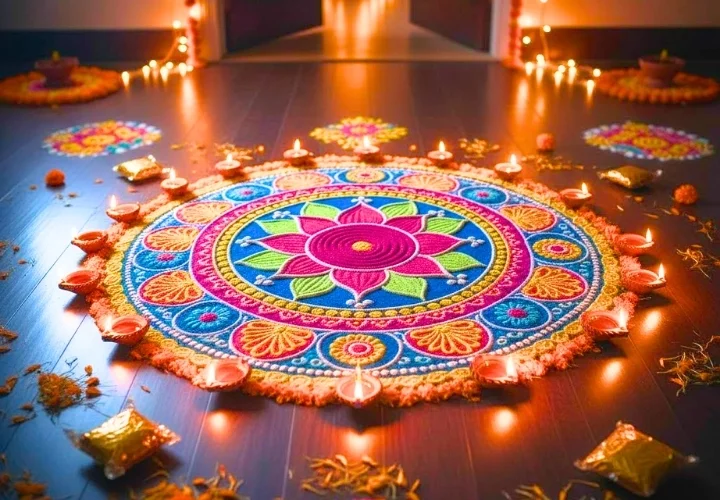
Rangoli
These are gorgeous, intricate floor patterns made from colored rice, flour, or flower petals. Each one is a dazzling, unique piece of temporary art—a beautiful, welcoming sign for guests!
The holiday is the ideal time to strengthen family relationships and make social bonds stronger. It’s a wonderful moment to exchange heartfelt Diwali wishes with everyone you care about and enjoy huge, delicious family feasts! The meals are full of special dishes that are only made once a year, making the food taste extra festive.
Exchanging Thoughtful Diwali Gifts and Sweets
A massive, loving tradition during this time is sharing! Exchanging Diwali gifts symbolizes generosity, showing affection, and hoping for the very best for your loved ones.
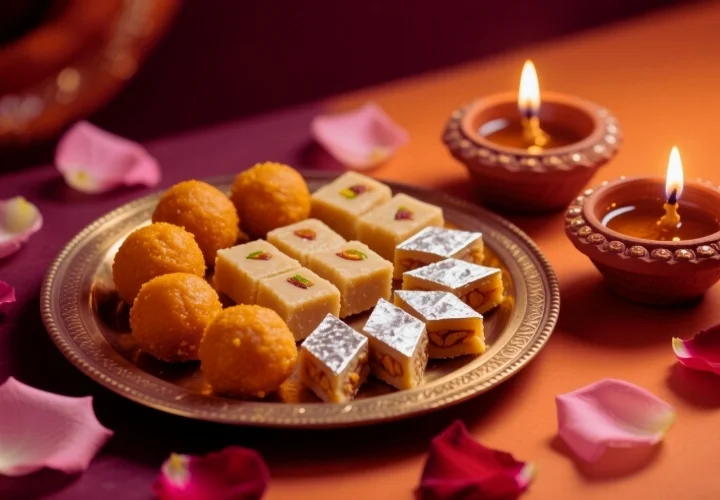
Families prepare or buy trays full of amazing sweets (mithai) and savory snacks that are shared with every visitor! Think of sweet treats like ladoos (sweet balls) and barfis (sweet squares)—they are absolutely delicious!
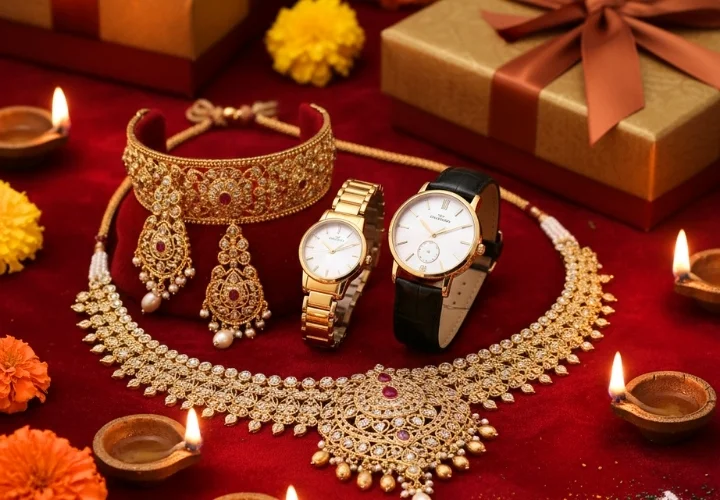
For gifts, it’s easy to find the perfect present: you can choose from boxes of gourmet chocolates, beautiful watches, jewelry, or special decorative items like handcrafted diyas and scented candles. You can easily find unique items in online shops, making it simple to send your best Diwali wishes far and wide.
As we look forward to Diwali 2025, remember that the best gifts are often the most thoughtful and eco-friendly! Instead of noisy, polluting fireworks, you could choose hand-painted diyas or organic cosmetics.
No matter what, the best part of Diwali is the togetherness. It’s a time to heal, laugh, and celebrate the light together. Have a wonderful and bright celebration!
FAQs
Q1: What does “Diwali” mean, and why is it called the “Festival of Lights”?
A: “Diwali” comes from an old Sanskrit word, “Deepavali,” which means “a row of lights.” It’s called the “Festival of Lights” because it celebrates light winning over darkness and good over evil! A famous story tells how people lit thousands of lamps to welcome Prince Rama home after he defeated a demon king.
Q2: When is Diwali celebrated, and how long does it last?
A: Diwali is usually celebrated sometime between mid-October and mid-November. The exact dates change each year! It’s a big, exciting five-day celebration, with each day having its own special traditions and meaning. So, Diwali 2025 will be a five-day party!
Q3: What are some main ways people celebrate Diwali?
A: Oh, so many fun things! People light up their homes with beautiful Diwali lights and tiny oil lamps called diyas. They create colorful floor art called rangoli, enjoy yummy feasts with special sweets, exchange Diwali gifts, and send warm Diwali wishes to family and friends.
Q4: Who are Laxmi and Ganesha, and why are they important during Diwali?
A: Laxmi is the Hindu goddess of good fortune and wealth. People pray to her during Diwali for happiness and success in the new year. Ganesha is the beloved elephant-headed god of wisdom. Families pray to him for good beginnings and for any problems to be removed.
Q5: What kinds of gifts do people give for Diwali? A: You can give many wonderful Diwali gifts! Popular choices include delicious Indian sweets and chocolates, decorative items like scented candles, or beautiful handcrafted diyas. It’s all about sharing joy, love, and good wishes with your loved ones!
References & Further Reading
To learn more about the fascinating stories and traditions of Diwali, you can explore these reliable sources:
- National Geographic Kids:
- A great resource for kids to learn about different cultures and holidays in an easy-to-understand way. “10 Fabulous Facts About Diwali”
- BBC Religions – Diwali:
- The BBC provides comprehensive and accessible information on major world religions and their festivals. “Diwali: BBC Religions”
- Cultural India:
- A website dedicated to Indian culture, history, and festivals, offering detailed explanations. “Rangoli: Cultural India”
You may like reading the following articles on Diwali